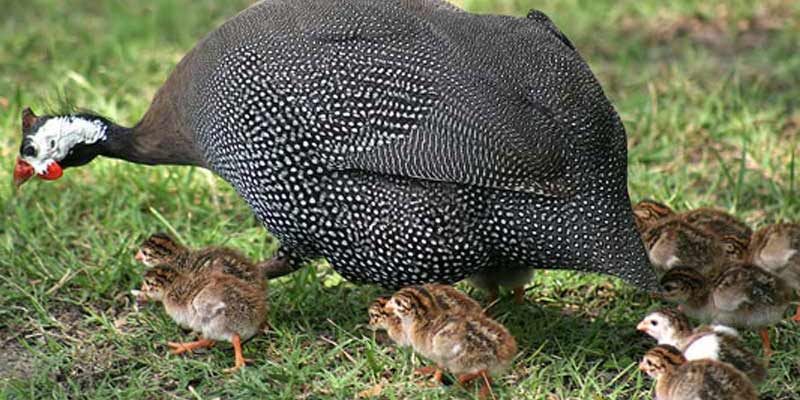
Campbell Bay National Park, located on the remote Great Nicobar Island in the Andaman & Nicobar Islands, is one of India’s most secluded and untouched wildlife destinations. Spread across 426 sq. km, this park forms the core zone of the Great Nicobar Biosphere Reserve and is home to rare and endemic flora and fauna found nowhere else on Earth.
Declared a National Park in 1992, Campbell Bay is rich in aquatic life and houses a wide range of flora and fauna. It has lush greenery with tropical evergreen forests filled with orchids, tree ferns, and dense vegetation that creates a serene natural atmosphere. The mix of mangroves, evergreen forests, and coastal ecosystems makes it a perfect spot for eco-tourism and nature photography.
The biodiversity of Campbell Bay National Park is truly astonishing. The dense tropical evergreen forests are filled with orchids, tree-ferns, and epiphytic plants, creating a lush green canopy. Some of the rare wildlife in Campbell Bay National Park includes:
The park’s coastal areas are surrounded by coral reefs and mangroves, making it one of the richest marine biodiversity zones in India.
Getting to Campbell Bay National Park, Great Nicobar is an adventure in itself and adds to the charm of visiting this remote natural paradise.
By Air & Sea: The journey begins from Port Blair, the capital of the Andaman & Nicobar Islands. From Port Blair, travellers can take Inter-Island Boat Services or Pawan Hans Helicopter Services that connect to Campbell Bay. Helicopter rides offer a quick yet scenic way to reach the island, while ferries provide a more immersive sea experience.
By Ship: Passenger ships occasionally operate between Port Blair and Great Nicobar, offering a longer but memorable voyage through the Andaman Sea.
Important Note: As Great Nicobar Island is a restricted area, Indian visitors must obtain a Restricted Area Permit (RAP) from the local authorities. Foreign nationals require prior permission from the Ministry of Home Affairs, Government of India before visiting.
The island’s limited accessibility helps preserve its pristine environment, making it a perfect destination for offbeat travel and eco-tourism in the Andaman & Nicobar Islands.
The best time to visit Campbell Bay National Park is from December to March, when the weather is pleasant, skies are clear, and travel routes remain open. During these months, visitors can comfortably explore the park’s lush greenery and enjoy wildlife sightings without the heavy humidity or rain.
Avoid travelling between June and September, as the monsoon season often brings rough seas and restricted ferry operations.
Climate: The region has a tropical maritime climate, with temperatures ranging between 25°C and 31°C throughout the year.
Travel Tip: Pack light cotton clothing, a light rain jacket, and comfortable trekking shoes for your forest walks and coastal explorations.
Campbell Bay National Park Being a protected area, accommodation inside Campbell Bay National Park is limited. However, travellers can stay at:
For a true wilderness experience, book through approved eco-tourism operators that offer guided jungle treks, camping, and bird-watching tours.
Campbell Bay is perfect for wildlife enthusiasts, bird watchers, and nature photographers. Popular eco-tourism activities include:
Each visit to this remote national park offers a life-changing experience, combining adventure with the calm of untouched nature.
Campbell Bay National Park is renowned for its untouched natural beauty, diverse flora and fauna, and the fact that it’s one of the most remote national parks in India, offering a rare chance to experience nature in its purest form.
Key species found in Campbell Bay National Park include the Crab-eating Macaque, Nicobar Megapode, Giant Robber Crab, Nicobar Pigeon, deer, and wild boar. The surrounding marine zones are equally rich, with sea turtles like the Leatherback and Olive Ridley, along with vibrant coral reefs and numerous tropical fish species that highlight the park’s rich aquatic ecosystem.
Travel to Campbell National Park is considered safe for visitors, but due to its remote location, it’s important to follow permit rules, local travel advisories, and weather updates before planning the trip.
Visitors must obtain a Restricted Area Permit (RAP) for Great Nicobar Island. Foreign nationals require additional clearance from the Ministry of Home Affairs, Government of India.
Private vehicles are generally not permitted inside the park. Entry and internal movement are managed by forest department guides or approved eco-tourism operators.
The Campbell National park remains open most of the year, but December to March is considered the best time to visit due to calm sea conditions and clear weather. Access can be restricted during the monsoon season (June–September).

www.andamansguide.com



Please inform me what will be the total cost for 6 adults and one child of 8 years for 6 night 7 days andaman holiday package . dates from 07.01.2017 to 13.01.2017. please give details of specifc hotels in all the places , havelock, neil and portblair
I am interested in the above package. Can we discuss telephonically.